Deep Dive: The Scoop on Police Background Checks
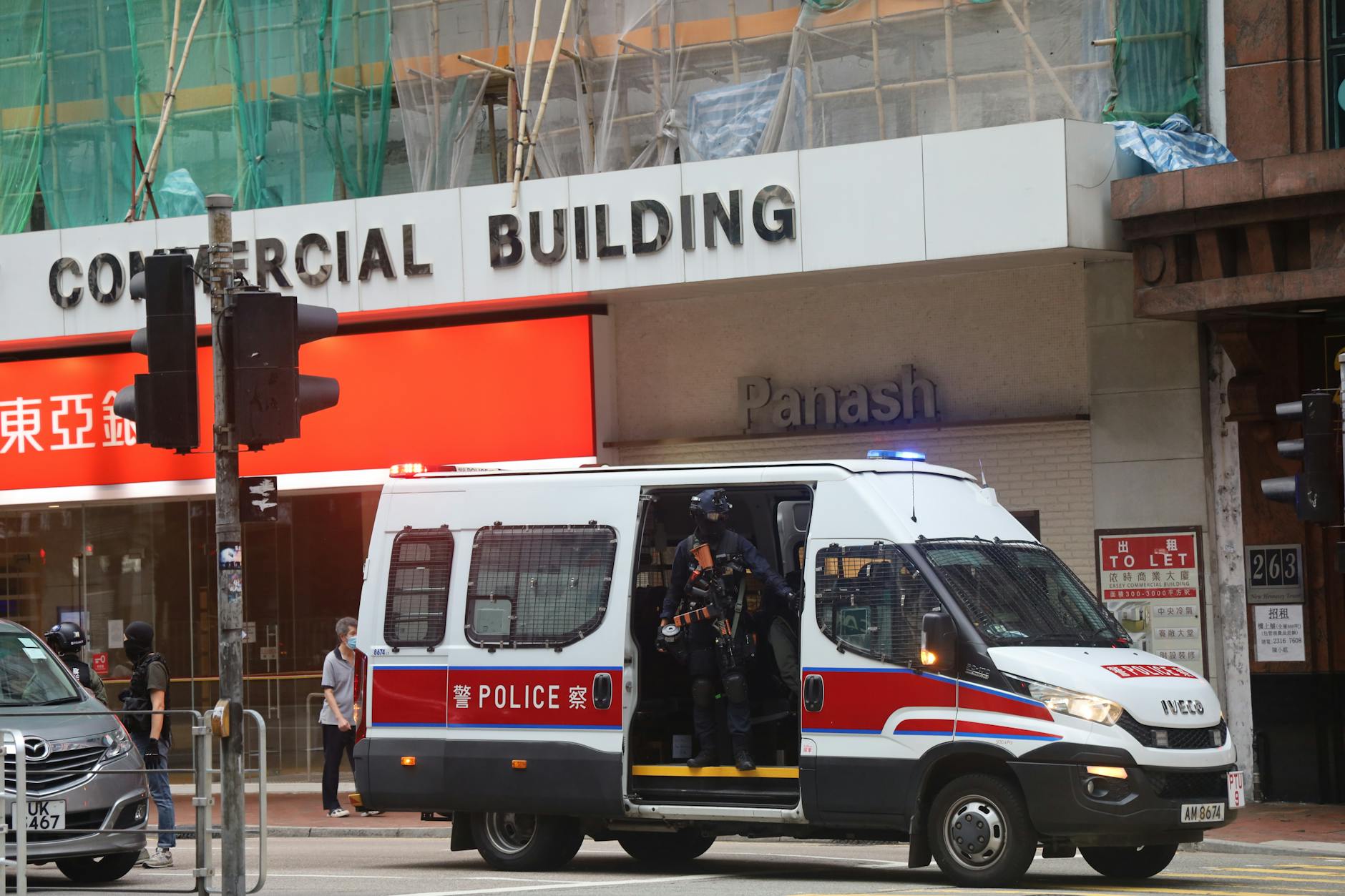
Police background checks are an essential element in maintaining security standards and ensuring public safety. These checks are critical in assessing the suitability of individuals for positions of trust, be it in law enforcement, sensitive government roles, or occupations involving vulnerable populations. In this detailed analysis, we'll delve into the various aspects of police background checks, elaborating on their importance and scope and the different checks employed to safeguard our communities.
Understanding Police Background Checks
Background checks conducted by police departments are comprehensive investigations into a person's history. They are designed to uncover information that could disqualify candidates from serving in positions where integrity and trustworthiness are paramount.
Purpose of Police Background Checks
The primary intent of performing a police background check is to ensure an individual does not have a past that would suggest possible future misconduct, unreliability, or the potential to compromise public safety. These checks are not only for prospective police officers but also for civilians who might access sensitive information or work intimately with vulnerable demographics.
Components of a Background Check
Police background checks often encompass several key areas:
- Criminal Record: A thorough search for any criminal history, including arrests, convictions, warrants, and incarcerations.
- Credit History: An assessment of financial responsibility that could reflect on a person's integrity and susceptibility to bribery or fraud.
- Employment History: Verification of past employment, including reasons for leaving each position.
- Educational Background: Confirmation of degrees and certifications claimed.
- Personal References: Interviews with friends, neighbors, and associates to evaluate character.
- Social Media and Online Presence: Review of digital footprints to identify potentially disqualifying behavior.
- Drug Screening: Tests to ensure the absence of illegal substance use.
The Process
Conducting a police background check is a meticulous process that often includes:
- Application: Candidates submit detailed applications with personal information.
- Initial Screening: Preliminary review to weed out applicants with obvious disqualifiers.
- Fingerprinting: To check against databases such as the FBI's Integrated Automated Fingerprint Identification System (IAFIS).
- Investigative Interviews: In-person interviews with the candidate and their references.
- Polygraph Tests: In some cases, to verify honesty regarding past behaviors.
- Psychological Evaluation: To ensure mental fitness for duty.
The Legal Framework
Police background checks must comply with several legal standards to ensure they are fair, unbiased, and respectful of privacy rights. The Fair Credit Reporting Act (FCRA) regulates how background check information can be gathered and used, while the Equal Employment Opportunity Commission (EEOC) ensures that the checks do not discriminate against any protected class.
Challenges and Limitations
Despite their thoroughness, police background checks do face obstacles. These include the varying quality of record-keeping across jurisdictions, limitations due to sealed or expunged records, and the balancing act between thorough investigation and respect for an individual's privacy.
Conclusion
Police background checks are vital to preserving the integrity of law enforcement and other sensitive roles. They require a significant investment of time and resources but stand as a cornerstone of public safety. Through scrutiny and judicious analysis, police departments strive to select individuals of the utmost character and reliability, reinforcing the community's trust in these critical institutions.
By understanding the intricacies involved in police background checks, we not only comprehend their significance but also appreciate the diligent efforts made to ensure that our society remains safeguarded by the most qualified and morally sound individuals.
Remember, the efficacy of police background checks is integral to not only the security of sensitive information but also to the safety and well-being of everyone in the community. As we continue to evolve our methods and technologies for conducting these checks, we bolster our collective security and uphold the high standards expected of those who serve the public.